(W.I.P)
(FR)
Simulated Damage, 2026
• Son
• Vynil, 45 tours
• Face A : 6 min, Face B : 6 min
• 100 exemplaires
⚠️ Pour le moment, les images sont données à titre indicatif et ne proviennent pas de ma production.
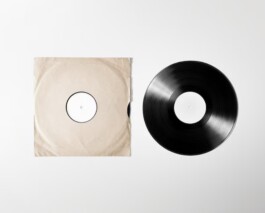
Pochette contenant un disque visuellement intact, dont la lecture ne produit que des sons de rayure.
Le projet repose sur un protocole en trois temps :
1. Un vinyle neutre (bruit blanc) est volontairement rayé à l’aiguille. Le son du plastique entaillé est enregistré.
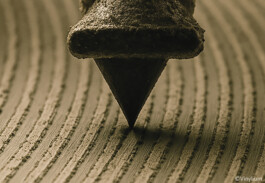
2. Le disque est mis en lecture : le passage du diamant sur les sillons altérés génère une seconde couche sonore, également captée.
3. Ces enregistrements sont pressés sur un nouveau vinyle, dont la surface reste parfaitement lisse et neuve, sortie d’usine.
Le disque final ne montre aucune trace d’usure, mais sa lecture restitue exclusivement le bruit de sa propre détérioration.
Face A : l’aiguille rayant le plastique.
Face B : le diamant suivant les sillons altérés.
Le projet transforme la défaillance en matière première. L’usure est enregistrée, reproduite et rejouée — mais elle n’existe pas matériellement. La surface promet intégrité et conservation ; le son affirme la dégradation. La tension entre perception visuelle et expérience sonore crée une ambiguïté radicale : l’objet semble intact, mais ne produit que sa propre destruction.
En inversant la fonction traditionnelle du vinyle — support conçu pour la fidélité et la pérennité — l’œuvre interroge le fétichisme attaché à l’objet culturel. Sa valeur repose sur un paradoxe : sa préservation apparente coexiste avec un contenu entièrement fondé sur sa fragilité simulée.
La rayure, habituellement signe d’accident ou de perte, devient la substance même du projet. La défaillance cesse d’être un défaut : elle constitue le programme et le geste central de l’objet.
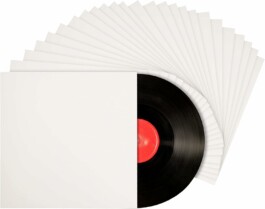
La pochette, blanche et minimale, ne comporte qu’une rayure imprimée et le titre de l’œuvre. Elle agit comme un simple indice visuel d’une disruption matérielle que seule l’écoute rend tangible.
(EN)
Simulated Damage, 2026
• Son
• Vynil, 45 tours
• Face A : 6 min, Face B : 6 min
• 100 exemplaires
⚠️ For now, the images are provided for reference only and do not come from my production.
The sleeve contains a visually intact disc, whose playback produces only scratch sounds.
The project is based on a three-step protocol:
A neutral vinyl (white noise) is intentionally scratched with the needle.
The sound of the notched plastic is recorded. The record is played: the passage of the stylus over the altered grooves generates a second sonic layer, also captured.
These recordings are pressed onto a new vinyl, whose surface remains perfectly smooth and new, straight from the factory.
The final disc shows no signs of wear, but its playback reproduces exclusively the sound of its own deterioration.
Side A: the needle scratching the plastic.
Side B: the stylus following the altered grooves.
The project transforms failure into raw material. Wear is recorded, reproduced, and replayed — yet it does not exist materially. The surface promises integrity and preservation; the sound asserts degradation. The tension between visual perception and sonic experience creates a radical ambiguity: the object appears intact but produces only its own destruction.
By inverting the traditional function of vinyl — a medium designed for fidelity and durability — the work questions the fetishism attached to cultural objects. Its value rests on a paradox: apparent preservation coexists with content entirely based on simulated fragility.
The scratch, usually a sign of accident or loss, becomes the very substance of the project. Failure ceases to be a defect: it constitutes the program and the central gesture of the object.
The sleeve, white and minimal, bears only a printed scratch and the title of the work. It acts as a simple visual hint of material disruption that can only be perceived through listening.
For more informations :
louis.souetre@gmail.com
© 2025 — Louis Souêtre
(FR)
Simulated Damage, 2026
• Son
• Vynil, 45 tours
• Face A : 6 min, Face B : 6 min
• 100 exemplaires
⚠️ Pour le moment, les images sont données à titre indicatif et ne proviennent pas de ma production.
Pochette contenant un disque visuellement intact, dont la lecture ne produit que des sons de rayure.
Le projet repose sur un protocole en trois temps :
1. Un vinyle neutre (bruit blanc) est volontairement rayé à l’aiguille. Le son du plastique entaillé est enregistré.
2. Le disque est mis en lecture : le passage du diamant sur les sillons altérés génère une seconde couche sonore, également captée.
3. Ces enregistrements sont pressés sur un nouveau vinyle, dont la surface reste parfaitement lisse et neuve, sortie d’usine.
Le disque final ne montre aucune trace d’usure, mais sa lecture restitue exclusivement le bruit de sa propre détérioration.
Face A : l’aiguille rayant le plastique.
Face B : le diamant suivant les sillons altérés.
Le projet transforme la défaillance en matière première. L’usure est enregistrée, reproduite et rejouée — mais elle n’existe pas matériellement. La surface promet intégrité et conservation ; le son affirme la dégradation. La tension entre perception visuelle et expérience sonore crée une ambiguïté radicale : l’objet semble intact, mais ne produit que sa propre destruction.
En inversant la fonction traditionnelle du vinyle — support conçu pour la fidélité et la pérennité — l’œuvre interroge le fétichisme attaché à l’objet culturel. Sa valeur repose sur un paradoxe : sa préservation apparente coexiste avec un contenu entièrement fondé sur sa fragilité simulée.
La rayure, habituellement signe d’accident ou de perte, devient la substance même du projet. La défaillance cesse d’être un défaut : elle constitue le programme et le geste central de l’objet.
La pochette, blanche et minimale, ne comporte qu’une rayure imprimée et le titre de l’œuvre. Elle agit comme un simple indice visuel d’une disruption matérielle que seule l’écoute rend tangible.
(EN)
Simulated Damage, 2026
• Son
• Vynil, 45 tours
• Face A : 6 min, Face B : 6 min
• 100 exemplaires
⚠️ For now, the images are provided for reference only and do not come from my production.
The sleeve contains a visually intact disc, whose playback produces only scratch sounds.
The project is based on a three-step protocol:
A neutral vinyl (white noise) is intentionally scratched with the needle.
The sound of the notched plastic is recorded. The record is played: the passage of the stylus over the altered grooves generates a second sonic layer, also captured.
These recordings are pressed onto a new vinyl, whose surface remains perfectly smooth and new, straight from the factory.
The final disc shows no signs of wear, but its playback reproduces exclusively the sound of its own deterioration.
Side A: the needle scratching the plastic.
Side B: the stylus following the altered grooves.
The project transforms failure into raw material. Wear is recorded, reproduced, and replayed — yet it does not exist materially. The surface promises integrity and preservation; the sound asserts degradation. The tension between visual perception and sonic experience creates a radical ambiguity: the object appears intact but produces only its own destruction.
By inverting the traditional function of vinyl — a medium designed for fidelity and durability — the work questions the fetishism attached to cultural objects. Its value rests on a paradox: apparent preservation coexists with content entirely based on simulated fragility.
The scratch, usually a sign of accident or loss, becomes the very substance of the project. Failure ceases to be a defect: it constitutes the program and the central gesture of the object.
The sleeve, white and minimal, bears only a printed scratch and the title of the work. It acts as a simple visual hint of material disruption that can only be perceived through listening.


(Youtube)
(Instagram)
(TikTok)
For more informations :
louis.souetre@gmail.com
© 2025 — Louis Souêtre